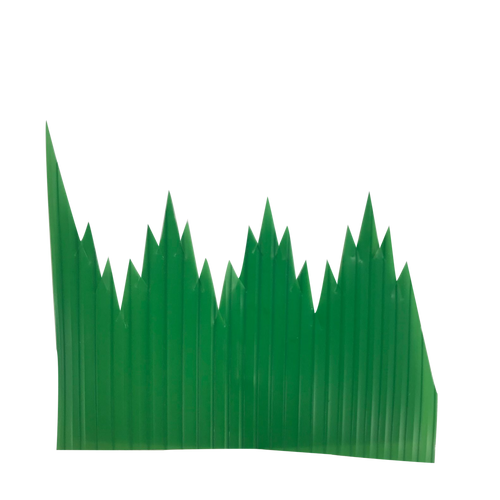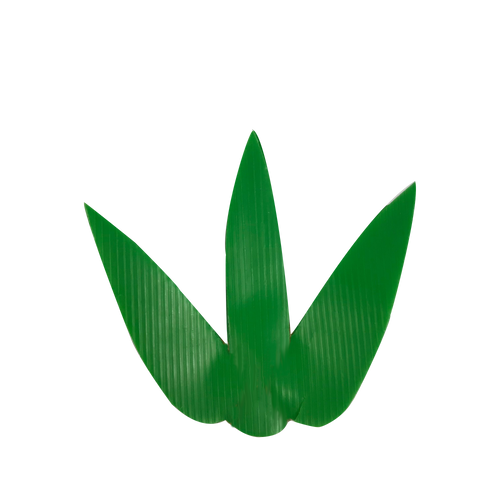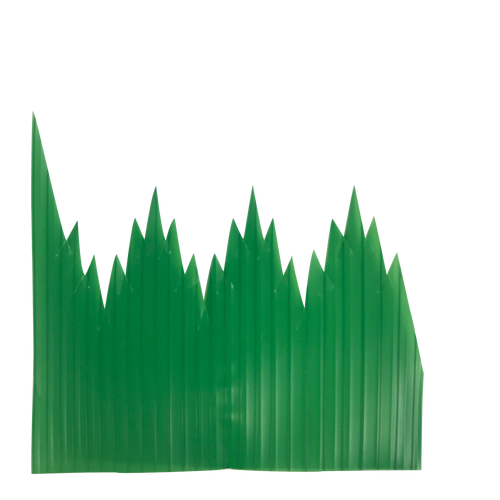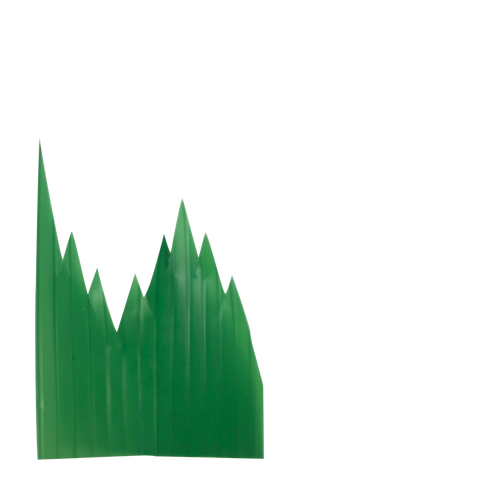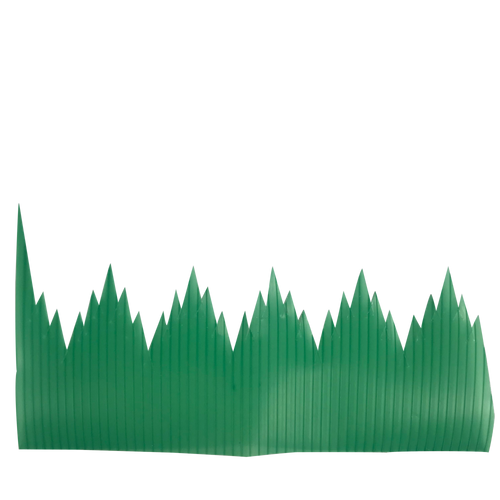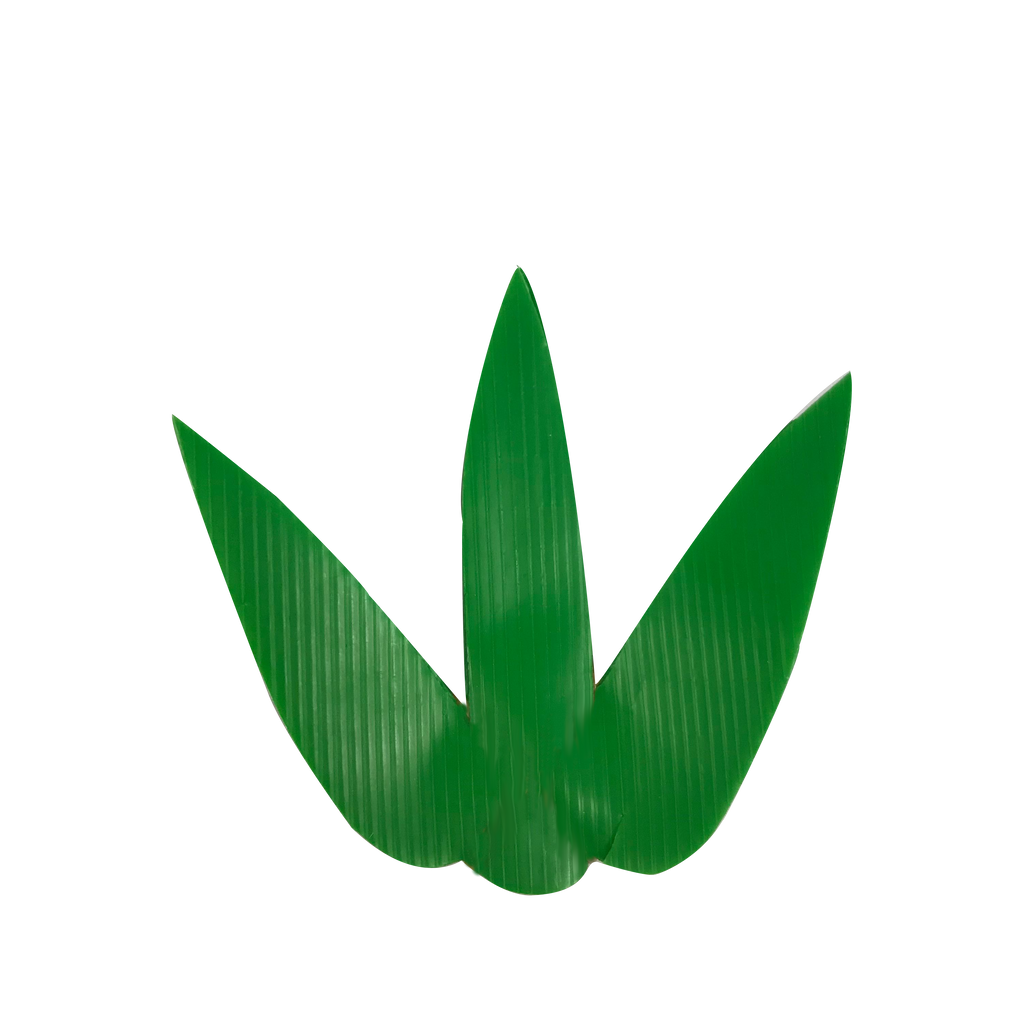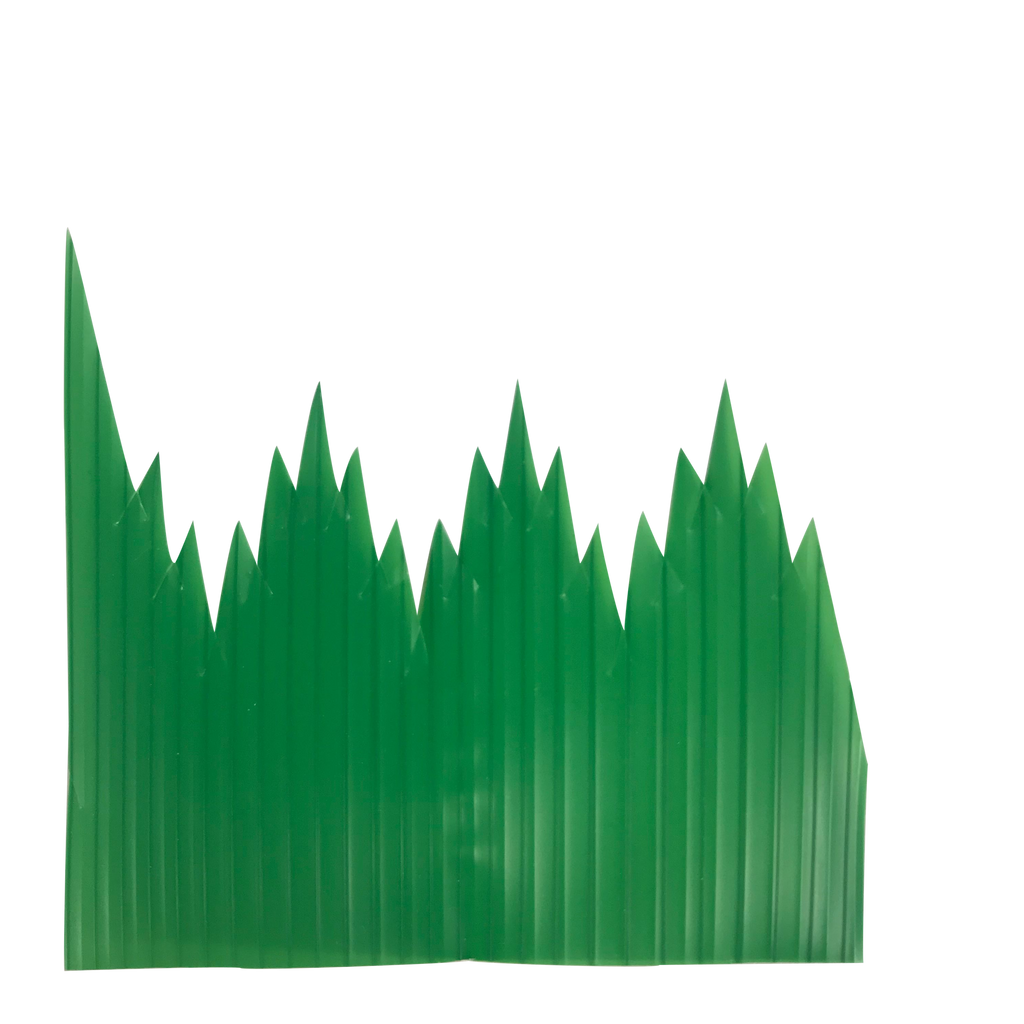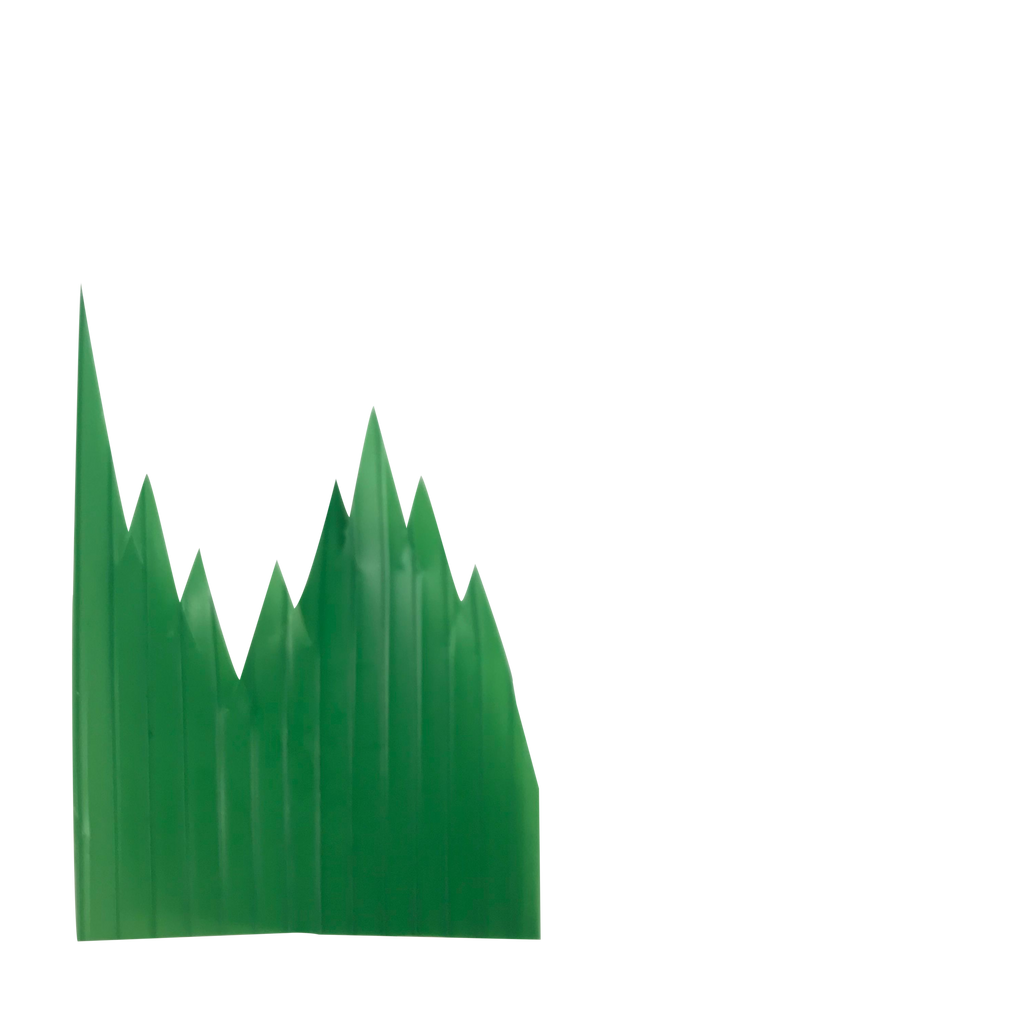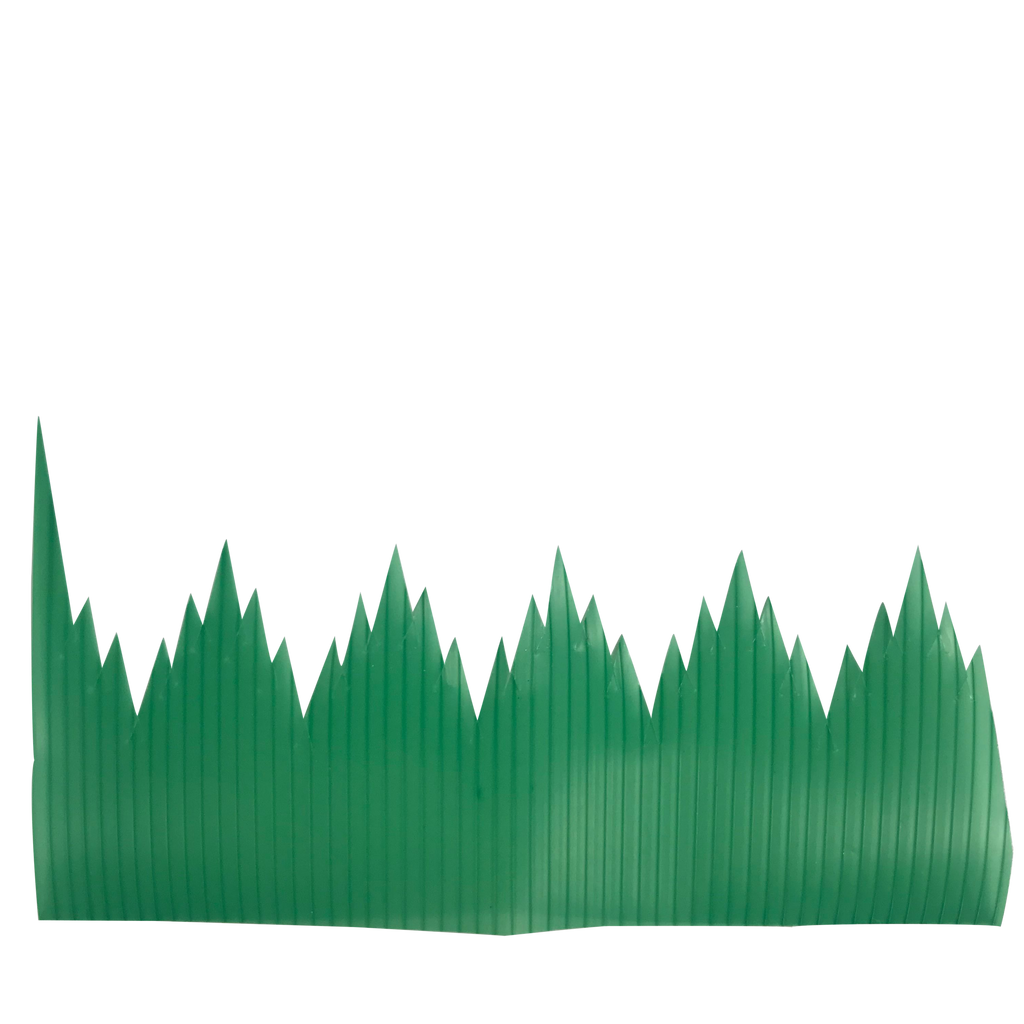
BaranĀ is used for partitioning or decoration. The word origin of theĀ baranĀ is because the plant called the aspidistra was used in old days. Traditionally,Ā haranĀ (from theĀ JapaneseĀ haĀ for leaf andĀ ranĀ for orchid or lily), also known asĀ baran, is made from fresh leaves, not brightly colored plastic. By nestling a watertight leaf between two foods like fish and rice, Japanese chefs are able to preserve the...